


No products in the cart.
January 15, 2026
What happens when a creative person decides to explore an entirely new form of expression? Canadian author Gabriel Tait has his creative roots in music. Today, he lives in Toronto and writes novels that explore the darker sides of human nature.
Gabriel is also interested in how stories are told. In this interview, he talks about creativity, personal challenges and the importance of authenticity.
What is your name?
Gabriel Tait
Where do you live?
Toronto, Canada
What kind of art/creativity do you mainly do?
Writing fiction. My earlier creative work was in music and songwriting.
Did you complete formal training or are you self-taught?
My background is in music and songwriting. I began writing fiction at fifty.
Where can people see your work? Do you have a website or social media profiles you'd like to share?
My website, https://gabrieltait.com, has information about Meeks and The Ranleigh Tapes, excerpts and purchase links.
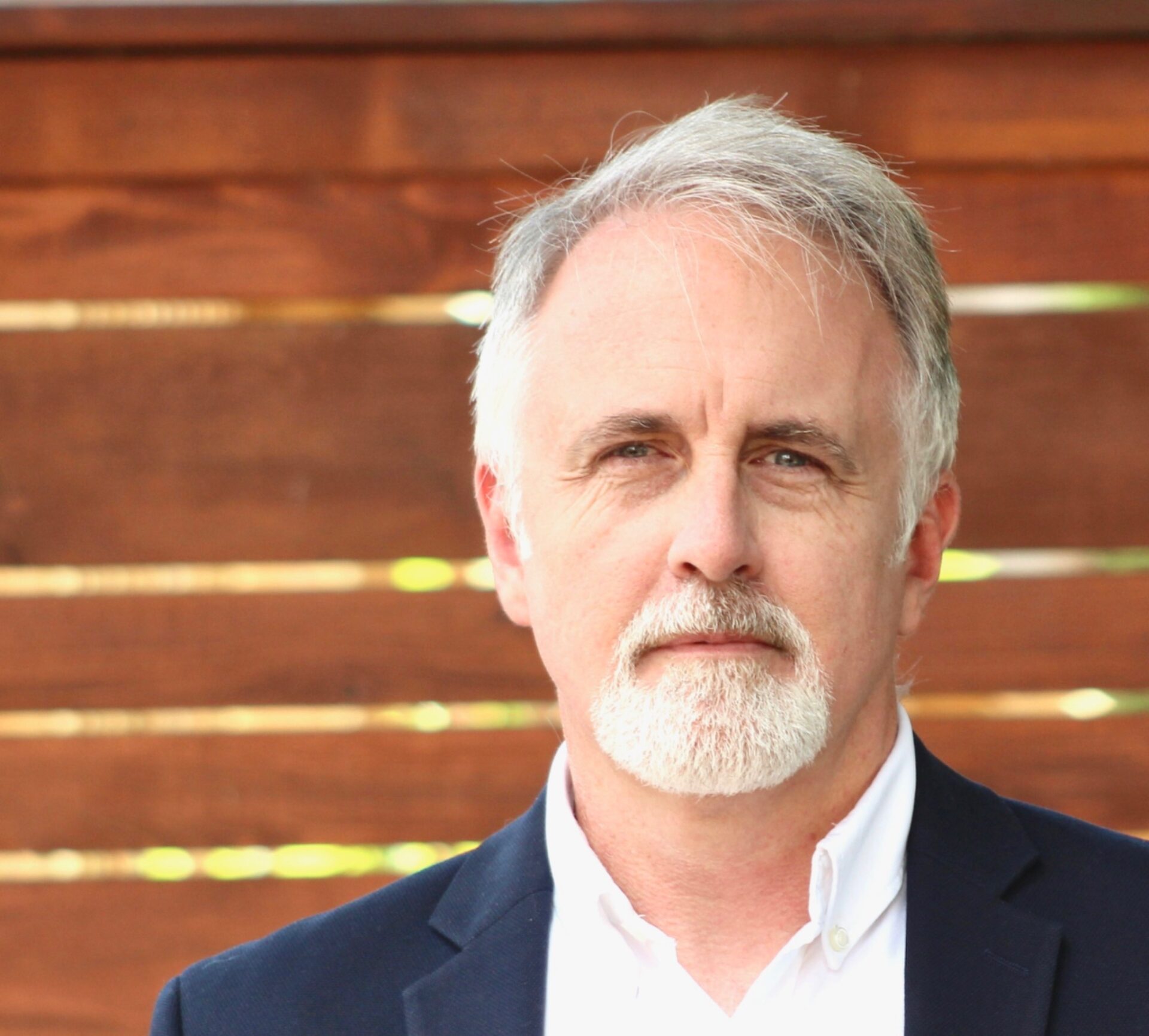
Fiction writer Gabriel Tait
I’ve always been creative. As a small child, I showed an aptitude for music. I developed that through school, becoming a multi-instrumentalist. By junior high, I was writing songs and wanted to be in bands. In high school in the eighties, I spent more time skipping school and playing music than doing homework.
I stopped in my early twenties, but that’s another story. That creative background gave me the confidence when I started writing fiction at fifty. Writing a novel was new territory, but the act of creation wasn’t.
I think songwriting helped with economy of words, and maybe some of the lyricism carries over into the prose. Finishing Meeks, then writing The Ranleigh Tapes in a completely different form, were the big milestones that followed.
A good idea inspires me. I find inspiration taking walks at night, but it can come from almost anything: a good turn of phrase, an overheard conversation, something I find under a rock in the garden. I don’t think there’s any one place it comes from. Having said all that, I do believe that ultimately inspiration originates within oneself.

Stephen King’s On Writing was important to me. I reread it before starting Meeks. I figured that if I followed his advice closely enough, I might make it through a first draft.
The Beatles, certainly. It’s hardly an original thing to say, but clearly they are the template for what you can do creatively. If you look closely at the jump between Meeks and The Ranleigh Tapes, you’ll see I was definitely pulling from their playbook.
With Meeks, the first draft was largely about keeping going. I wrote roughly two thousand words a day and allowed myself to write things I knew would need fixing. The book took three years and seven drafts, so there was plenty of time for that.
The Ranleigh Tapes was different. I moved into the garage and wrote at an old workbench. The writing came in shorter spurts, and I paid close attention to Ranleigh’s voice: how he spoke when he had something difficult to say, the jokes, the background he supplied before getting to the point. The form changed how I worked.
I write my novels on a MacBook, but I most enjoy a good fountain pen and good notebook paper. I’m partial to Moleskine, even though it’s become kind of passé. One day I’d like to write a novel by hand. I’ve got a great pen for it.
I like the idea of having ink on my fingers. Makes you feel like you’re working. There’s something appealing about the tactile nature of it. Whether that novel ever sees the light of day remains to be seen, but I’d like to try the process.
The Meeks series. They’re the only two books I’ve written, so there isn’t much competition. I carried the original idea for nearly thirty years before sitting down to write it at fifty. What I thought was going to be one book has grown into a trilogy. Means a great deal to have finally done something with a story that hung around in my life for so long.
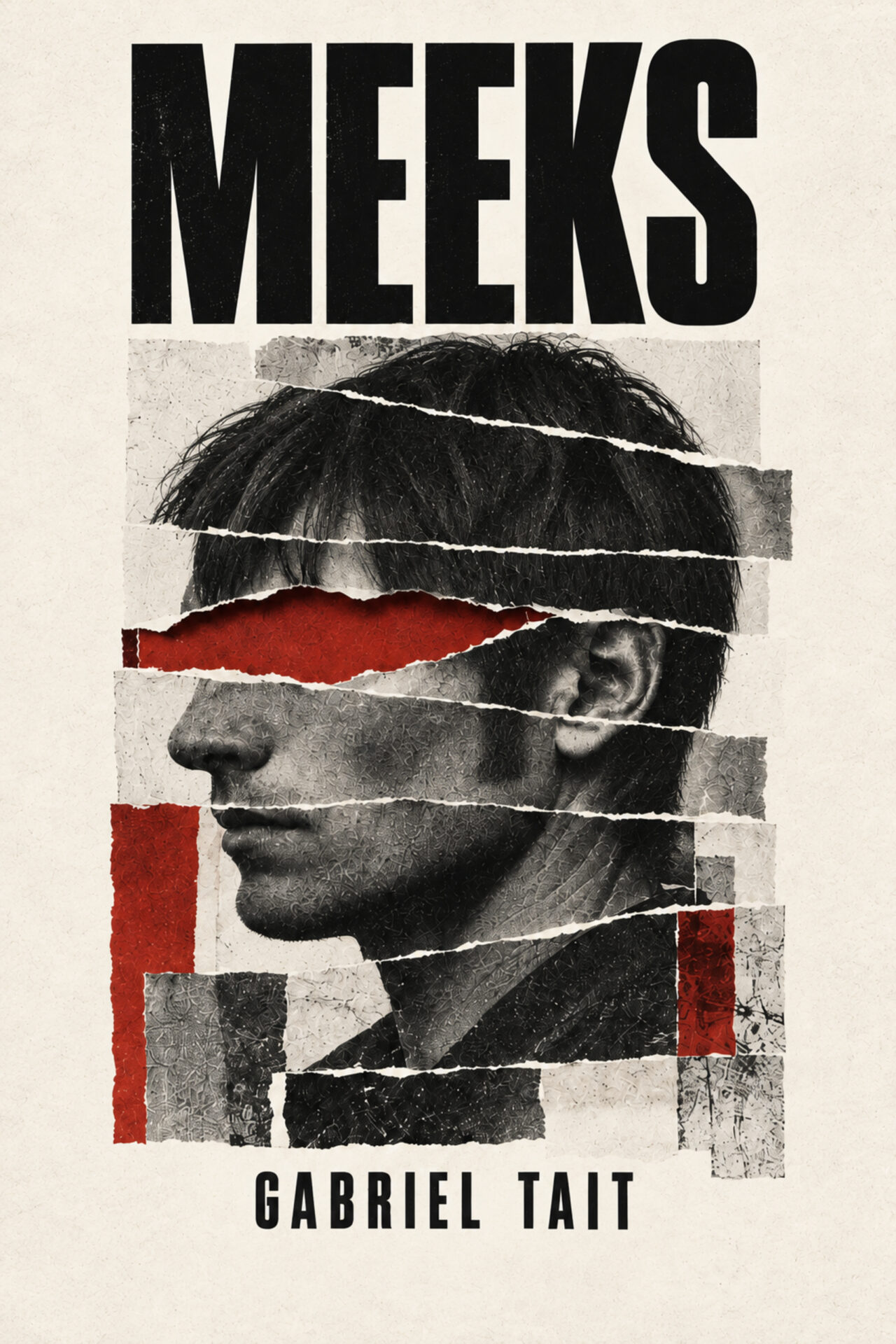
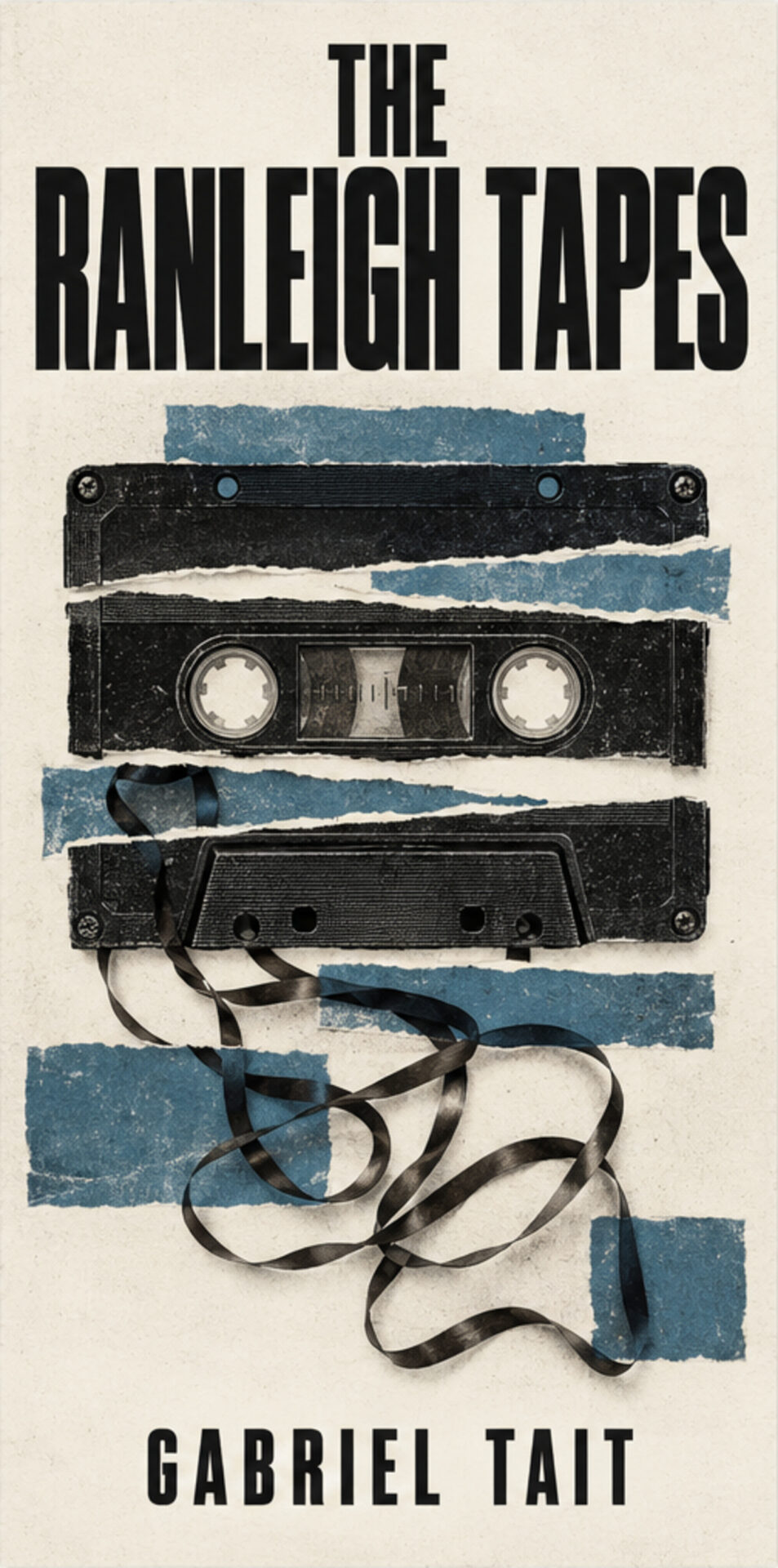
Gabriel Tait’s novels are part of the Meeks trilogy, centred around the character Ranleigh Meeks. In the first book, Meeks (2023), he desperately tries to build a different, better life. The Ranleigh Tapes (2025) explores guilt, shame and the struggle to confront the past. For this novel, Tait chose an unusual narrative form: a confession recorded on tape. The story is set to conclude with Echo, expected in late 2027.
Recovery from alcoholism. Artist or not, that was the challenge of my life. Without overcoming that, I don’t think there would have been much art.
Second would be switching from music and songwriting to novels. The creative act felt similar, but the challenge of writing a novel is sheer volume. Keeping the story consistent, keeping myself interested enough to finish it and hoping that the reader would also find it interesting enough to finish it.
The best songs I ever wrote took about half an hour. A novel asks considerably more of you.
It was essential when I was making music with other musicians. You can’t really be a dictator in that situation.
With novels, it doesn’t come into it at all. Writing is an isolated endeavor for me, one where I have total creative control. Now, the upside is that you don’t have to compromise as you would in a band situation. The downside, of course, is that if it’s lousy, it’s all you. You have to take the blame.
Art means everything to me. It’s always been present in my life in one way or another. As a kid I loved movies and music. And then came the Beatles and novels. I had some difficult times in childhood, as I think we all do, and so art has by and large pulled me through the more difficult times of my life.
I think it’s an essential part of being human, whether or not you’re creating it or experiencing it. I would hate to think of a world without art. That’s what makes this overfocus lately on lifeless, soulless tech so scary to me.
Addiction is close to my heart, and I still think it’s a largely misunderstood malady. But one subject that has my full attention is the façade we present to paper over the rotting infrastructure. It’s always been of interest to me, but I think it’s worse than ever now with the advent of Instagram, TikTok and social media in general.
When you’re presenting a façade, you’re eliminating authenticity. In the end, what’s going to differentiate us from the machines will be the things that make us authentically human. If you’re putting up a façade, copying the next person and not letting your human foibles be visible, we’re going to have a hard time connecting and identifying with each other.
Currently, I’m working on Echo, the third and final installment of the Meeks trilogy. It’s pretty exciting. I think it’s going to be a satisfying conclusion to Ranleigh Meeks’ story. At least I hope so. There will be no more books concerning our hero after this one.
It’s ambitious, and as with The Ranleigh Tapes, I feel I’m taking another big risk and hope that it pays off. It should be out in late 2027 if all goes well.
Thank you, Gabriel, for taking the time to answer my questions and for sharing your thoughts and personal experiences so openly. I really appreciate your honesty and the insights into your creative journey.
If you are an artist or creative professional yourself, whether in painting, music, literature, or any other form of art, and would like to talk about your work and your creative process, please feel free to contact me.
I look forward to showcasing the diversity of creative expression in my interview series and reading about your perspectives and experiences.
Join the newsletter now
and not miss a thing
Get exclusive insights into my creative processes, learn the stories behind my artwork
and receive invitations to my exhibitions and events.
To say thank you, I'll give you 10% off your first purchase.